Naming
Every company, product, and person has a name: a term meant to identify them and only them. Human names imply genders and cultural backgrounds, while brand names can say almost anything about the company or offering they represent. And while it’s OK if there are a bunch of guys named ‘James’ or ‘Mueller’ out there, the same can’t be said for trademarks.
I’ve worked on over 150 naming projects, ranging from wild-eyed startups to exciting product launches to high-stakes corporate rebrands. Whether your endeavor is still just a gleam in your eye, or an org-wide juggernaut barreling towards launch, I can help you figure out what story to tell, how to tell it, and how to own it.
Below are my naming packages, some names I named, and a beginner’s guide to thinking about naming.
Names I Named
Here’s a sampling of names that I played an integral role in creating, and where (with one exception) they actually became something.









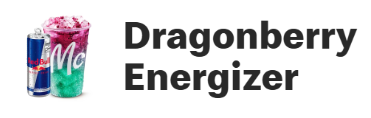
Dragonberry Energizer
A hyperactive refresher.
Naming Packages
Naming Fundamentals
For small to medium-size orgs who need help figuring out what to stand for, as well as coming up with an available name.
You get: A brand positioning statement, and 15 availability-screened names per round
1-2 weeks | $5-$10k
Advanced Naming
For people naming within organizations that have complicated socialization steps, or layers of brand and legal approval to clear.
You get: 15 availability-screened names per round, and ongoing socialization support
4+ weeks | $10-20k
Naming + System
For organizations with a new or rapidly evolving brand architecture, looking to get a head start on future naming initiatives.
You get: 10 name sets per round, and a naming system and toolkit
6+ weeks | $20k +
Naming 101
Your name is the first word of your story, and the last one, too. The story it sets you up to tell needs to be the right one. Your name won’t carry every nuance of your brand, but it’ll be the anchor that holds it all together.
Find your story
Every name sets you up to tell a story. Yours should be based on the ideas that are authentic to you, relevant to your customers, and different from your audiences. They should be ones that are true today and will stay true tomorrow, and remain true across everything this name needs to encompass.
Craft your story
With a great story in mind, you’ve got to find the right vehicle. These names vary in directness, from the clear and blunt to the vague but extremely flexible.
Some stories are really simple, and can be told straightforwardly using existing language, what I call intuitive names. The Container Store doesn’t contain a hidden backstory, it’s just a store where you can buy containers. Disney says exactly what it means to: that was the name of the guy! This might be right for you if you like real words like Bank of America, lightly modified ones like Citi, or smooshed-together ones like BuzzFeed.
Some stories have multiple parts, or ones not well-served by existing language, or that would be gauche to simply claim outright. These are best served by oblique references and metaphors, what I call evocative names. Tesla doesn’t literally say mad scientist of electricity, but it implies it. Pantone says ‘all colors,’ just not with an existing word. This might be more your speed if you’re into metaphors like Oracle, identifiable neologisms like Pantone, or ten-dollar words like Peloton.
And some stories are really complicated, or contradictory, or changeable, and you need a vehicle flexible enough to complement all those stories, even if it doesn’t tell any explicitly—a cryptic name. Apple works just as well for computers and phones as it does for bank cards, exactly because of its mystery. Palantir has a story to tell about evildoers’ intelligence-gathering tools, but they don’t have to tell that story if they don’t want to. This might be your territory if you’re into totally invented words like Spotify or Noom, obscure stories like Apple as a reference to Isaac Newton’s brilliance and ethos, or non-local words like Kijiji or Hulu. Also… you’re gonna need a lot of money to get whatever your story is into people’s heads.